Salon Services Moorpark Residents Trust for Special Occasions
Special occasions have a way of putting hair under pressure. A style that looks beautiful at 10 a.m. Still needs to look intentional at 6 p.m. A color refresh should flatter the dress, the skin, the lighting, and the photographs. A blowout has to survive a drive through the Conejo Valley breeze, a long ceremony, a crowded reception, or a holiday party where everyone hugs hello.
That is why the salon visit before an important event matters. It is not just about looking polished for a few hours. It is about feeling settled when the day gets busy. Moorpark residents often plan around family milestones, weddings, school events, galas, religious celebrations, engagement photos, professional portraits, and seasonal parties. For many of these moments, the right salon services create the difference between hair that is simply “done” and hair that feels like part of the occasion.
A good stylist understands both beauty and timing. They know when to suggest a trim two weeks before an event instead of the morning of. They know why freshly washed hair does not always hold an updo as well as hair prepped the day before. They can tell when a client wants a soft romantic look but has brought photos of structured Hollywood waves, then gently bridge the gap. That practical judgment is where trust is built.
What makes a special occasion salon visit different
Everyday salon appointments usually focus on maintenance. A client may come in for gray coverage, a haircut, a smoothing service, or a simple blowout before the weekend. Special occasion appointments carry more variables. The hairstyle has to coordinate with clothing, neckline, makeup, accessories, weather, hair density, face shape, photography, and the length of the event.
For example, a low bun that looks elegant with a high-neck gown may disappear under long hair if the client also plans to wear a veil or dramatic earrings. Loose curls may look beautiful in inspiration photos, but if the client has fine, silky hair and the event lasts eight hours, a stylist may need to adjust the plan with stronger setting techniques, smaller sections, or a partial pinning strategy. If someone is wearing a strapless dress, volume at the crown and movement around the shoulders can balance the overall look. If the outfit has a detailed back, a swept-up style may show it better.
This is where experience counts. A full service hair salon does more than execute a requested style. It helps the client make decisions that hold up in real conditions. Hair should photograph well from several angles, feel secure without being painful, and complement the person rather than compete with them.
There is also the emotional side. People often arrive for special occasion appointments carrying excitement, nerves, and a very real schedule. A professional salon team knows how to keep the appointment calm. They build in enough time, ask the right questions early, and avoid last-minute improvisation when planning would have prevented stress.
Understanding what is done in a hair salon before a big event
Clients sometimes ask, especially when booking for a wedding party or formal event, what is done in a hair salon beyond a cut or blowout. The answer depends on the occasion, but a comprehensive salon visit can include consultation, haircutting, color services, conditioning treatments, blowouts, heat styling, updos, smoothing services, extensions, scalp care, and finishing work.
For special events, the process often begins well before the actual styling appointment. If hair color needs to be refreshed, corrected, toned, brightened, or softened, that should usually happen days or weeks ahead of the event. A haircut may need time to settle, especially if layers are being reshaped or bangs are involved. Conditioning treatments can improve shine and manageability, but the stylist must choose the right one. A heavy moisturizing mask on fine hair right before an updo can make the hair too soft to hold. A bond-building or glossing service may be a better choice when the goal is strength and reflection without limpness.
The day-of service is more technical than it may appear. A stylist considers the hair’s natural texture, current condition, previous chemical services, humidity, the expected event length, and how much movement the client wants. Curling is not simply curling. Barrel size, heat level, section size, cooling time, product layering, and brush-out technique all change the result. Pinning is not random either. A secure updo depends on anchor points, balance, weight distribution, and hidden support.
For clients who rarely visit a salon, the experience can feel unfamiliar at first. A good stylist will explain enough without overwhelming them. They may ask whether the client’s hair holds curl, whether they touch their hair often, whether the event is indoors or outdoors, and whether they need the style to last through dancing. These questions are not small talk. They shape the service.
Why timing matters more than people think
One of the most common mistakes before a special occasion is waiting too long to book or scheduling services in the wrong order. Hair color done the day before a wedding can be risky if the formula needs adjustment. A major haircut the morning of an event can leave no time to get comfortable with the shape. Even a blowout booked too early in the day can lose freshness if the event starts late at night and the client has naturally oily roots.
For a local event in Moorpark, most clients do well with a planning window of at least two to six weeks, depending on the service. Bridal hair, major color changes, extensions, and keratin or smoothing treatments may need more time. A simple blowout for a dinner or graduation can often be booked closer to the date, but busy seasons fill quickly. Prom weekends, wedding-heavy months, December holidays, and graduation periods can make last-minute appointments difficult.
The timeline also depends on hair history. Someone with virgin medium-brown hair who wants a soft caramel gloss before engagement photos may need one appointment. Someone with box dye, old highlights, and dryness through the ends may need a more cautious plan. A responsible stylist will not promise a dramatic transformation overnight if it risks breakage or uneven color. It is better to arrive at an event with healthy, flattering hair than compromised hair that only looked good in a filtered reference photo.
A smart schedule gives room for refinement. If the client tries a formal style and realizes they prefer less height or a softer face frame, there is time to adjust. If toner settles slightly cooler than expected, there is time to warm it. The best special occasion hair often looks effortless precisely because no one rushed the preparation.
The consultation: where trust begins
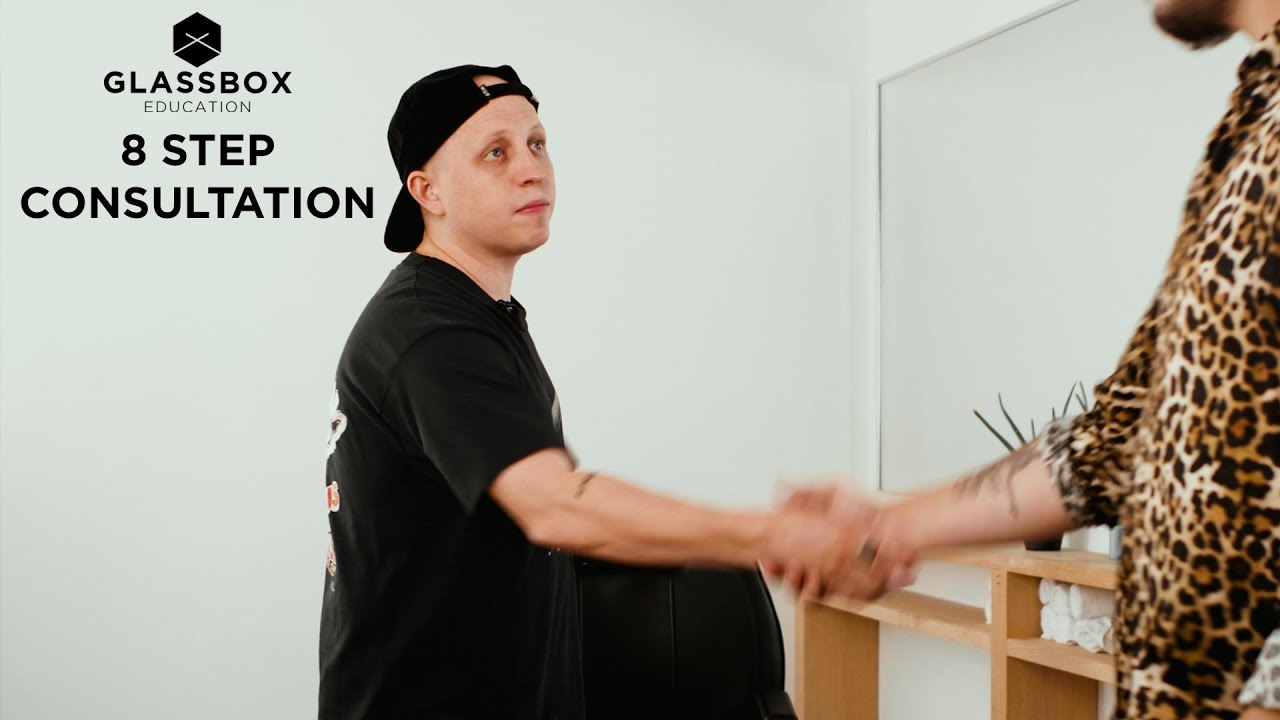
A strong consultation is the most underrated part of salon services Moorpark clients rely on for milestone events. It should feel like a conversation, not an interrogation. The stylist needs visual references, but they also need context. A photo of a sleek chignon means one thing for thick, dense hair and another for fine hair with shorter layers. A picture of loose waves may require extensions to create the same fullness.
The best consultations translate inspiration into reality. A client may say, “I want volume, but not too much,” which can mean anything from a barely lifted crown to a pageant-level shape. A stylist might show the client in the mirror where the volume would sit, then ask if that feels right. Someone may request “natural curls,” but actually mean polished bends without frizz. Clarifying these details avoids disappointment.
Occasion details matter too. An outdoor ceremony at a ranch property will require different product choices than an indoor evening event. Family photos in bright afternoon light call for shine and smoothness because frizz and flyaways show more clearly. A corporate awards dinner may call for restrained polish rather than bridal softness. A quinceañera, gala, or anniversary celebration may welcome more drama.
During a consultation, a stylist should also assess the hair honestly. If the requested look requires more length, fullness, or density, they may discuss clip-in extensions or a modified version of the style. If the hair is fragile from lightening, they may recommend avoiding aggressive heat or tight tension. If the scalp is sensitive, they may choose lighter pinning and gentler prep. Special occasion styling should feel secure, not punishing.
Services that support a polished event look
Special occasion hair rarely depends on one service alone. Often, the final result comes from a sequence of smaller decisions made over time. A color gloss adds shine that catches camera light. A face-framing trim prevents heavy pieces from falling flat. A smoothing treatment may reduce frizz so waves look clean instead of puffy. A deep conditioning service can help dry ends look softer, as long as it is chosen carefully for the hair type.
For many clients, a blowout is the foundation. Even if the final look includes curls or pins, the blow-dry sets the direction, smoothness, and volume. Skilled stylists use the brush and dryer to control roots, stretch texture, and create polish before any iron touches the hair. This matters because curling over poorly dried hair often leads to swelling, frizz, or uneven hold.
Formal styling then builds on that foundation. Some clients want classic updos, while others prefer half-up styles, smooth waves, textured buns, ponytails, or vintage-inspired sets. The right choice depends on the event and the client’s comfort. A person who never wears their hair up may feel unlike themselves in a tight bun, even if it looks beautiful. A person who dislikes hair near their face may spend the whole evening tucking pieces back if the https://www.hairbycaseyd.com/moorpark-hair-salon style is too loose. Good event styling respects personality as much as aesthetics.
A full service hair salon can also coordinate related services so the look feels cohesive. Haircutting, color, styling, treatments, and sometimes makeup or bridal party coordination may be planned together. That continuity helps because the stylist understands the hair’s recent history. They know if the ends are newly lightened, if layers were added, if a smoothing service changed the texture, or if extensions need blending.
Common special occasion services and when to book them
A short planning checklist can prevent the most common timing problems. These are general guidelines, not rigid rules, because hair condition, service complexity, and salon availability all matter.
- Major color change or corrective color: book a consultation at least six to twelve weeks ahead.
- Highlights, balayage, gloss, or gray coverage refresh: schedule about one to three weeks before the event.
- Haircut or shaping: plan one to two weeks ahead unless the cut is very minor.
- Trial styling for bridal or high-stakes events: book four to eight weeks before, or earlier during busy seasons.
- Blowout, curls, updo, or finishing style: schedule the day of the event, with extra time for travel and dressing.
These windows give the stylist room to solve issues before they become emergencies. They also help the client avoid the freshly cut or freshly colored feeling that can sometimes look too severe on camera. Hair often photographs best when it is clean, healthy, and intentional, but not overworked at the last minute.
Wedding hair, bridal parties, and family expectations
Weddings deserve special attention because the hair schedule affects the entire day. Bridal styling is not just about the bride’s final look. It also involves mothers, attendants, flower girls, photography timelines, transportation, and the inevitable person who arrives with wet hair despite being told otherwise.
An experienced salon team understands how to build a realistic schedule. Updos can take anywhere from 45 to 90 minutes depending on length, density, complexity, and prep. Bridal styling may take longer, especially with a veil, accessories, extensions, or a final look change after makeup. Flower girls may need less time, but they often need patience and flexibility. Mothers of the couple may want elegance without feeling overly styled, which requires restraint and careful finishing.
The trial appointment is where many potential wedding-day problems get solved. The bride can see whether the style feels secure, whether face-framing pieces annoy her, whether the veil placement works, and whether the look complements the dress. Photos taken during the trial are useful because hair can look different on camera than in the mirror. A style that feels soft in person may appear messy in photos if the texture is too loose. A sleek bun may look severe if the front lacks softness.
Family expectations can complicate decisions. A bride may love her natural curls, while a relative insists on a smooth updo. A stylist’s role is not to referee family dynamics, but a calm professional can help the client stay centered. The final style should serve the person wearing it. Special occasion hair works best when it enhances confidence rather than satisfying every outside opinion.
Color before an event: shine, dimension, and restraint
Color is often the quiet reason a special occasion style looks expensive. Dimensional hair shows braids, waves, and texture more clearly. A gloss can make brunette hair look richer and blonde hair look cleaner. Gray coverage can restore polish around the hairline, especially for close-up photos. Toner can soften brassiness or refresh faded highlights.
The risk comes from doing too much too late. A client who has not lightened their hair in years may decide two weeks before a wedding that they want bright blonde ribbons around the face. Sometimes that is possible. Sometimes it is not wise. Lightening depends on starting level, previous color, porosity, condition, and desired result. Hair that looks dark brown may contain old artificial pigment that lifts unevenly. Fine hair may lighten quickly but become fragile. Coarse hair may need more time and controlled sessions.
For special occasions, restraint often produces the best result. Instead of a dramatic transformation, the stylist may recommend a gloss, subtle brightness around the face, a root refresh, or soft lowlights for depth. These services improve the overall look without creating unnecessary risk. When a bigger change is desired, the earlier the conversation starts, the better.
Color also has to coordinate with styling. Very solid dark hair can sometimes hide the detail in an intricate updo, while overly stripey highlights can make formal styles look busy. A balanced color placement helps the hair move beautifully on camera. Stylists who regularly prepare clients for events think about this connection between color and shape.
Blowouts for dinners, photos, and celebrations
Not every special occasion needs an updo. A professional blowout can be the right choice for engagement photos, business headshots, rehearsal dinners, showers, birthday celebrations, graduations, holiday parties, and family portraits. The best blowouts look smooth but not stiff, voluminous but not artificial.
A salon blowout differs from at-home drying because of sectioning, tension, airflow, and product control. Stylists know how much lift to create at the root, how to bevel ends, and how to set the hair so it lasts. For clients with curly or textured hair, a blowout may involve careful stretching and smoothing without flattening every bit of life out of the hair. For clients with fine hair, the challenge is creating body without overloading the strands with product.
Weather and schedule change the approach. If a client has photos outdoors near sunset, the stylist may use lighter finishing products to preserve movement. If the event includes dancing, they may add more structural support at the roots. If the client will be changing clothes after the appointment, the stylist may advise wearing a button-down or zip-front top to protect the style.
A blowout can also be combined with waves. The difference between casual curls and event-ready waves often lies in the finishing. Stylists may set the curls, allow them to cool fully, brush them into shape, then refine the silhouette. That cooling period can feel like a small detail, but it makes a significant difference in longevity.
Updos that stay comfortable
A secure updo should not feel like a helmet. It should stay in place while allowing the client to smile, hug, turn their head, and enjoy the event. Comfort depends on weight distribution, pin placement, and tension. Too many pins in one area can cause soreness. Pulling the hair too tightly at the hairline can create headaches. A bun placed too low may interfere with a high collar or jacket.
Stylists often build support invisibly. They may create a foundation with backcombing, small hidden ponytails, padding, or crossed pins. The client sees softness and shape, but underneath there is structure. This is especially important for thick hair, long hair, or styles that need to last through a long day.
Texture also affects comfort. Very clean, slippery hair may require more product and pinning. Hair with some grit often holds better. That is why stylists may advise washing the hair the night before rather than the morning of, depending on scalp oiliness and texture. This advice is not universal. Someone with very oily roots may need a morning wash and professional prep. Someone with coarse or curly hair may need a different routine entirely.
The most reliable event styles balance beauty with engineering. If a style depends only on hairspray, it probably will not last. If it depends on excessive tension, the client may hate wearing it. The sweet spot is a style that looks graceful and has a hidden framework strong enough for the occasion.
Extensions and added fullness
Extensions can transform special occasion styling, but they should be approached thoughtfully. Clip-in extensions are often useful for temporary fullness, especially for waves, half-up styles, and low buns. They can add length, density, and visual richness. However, they need to match the hair color, texture, and length closely enough to blend.
Poorly matched extensions are easy to spot in photos. The ends may look too thick, the shade may appear flat, or the texture may separate from natural hair. A stylist may recommend bringing extensions in before the event so they can be checked, toned if appropriate, trimmed, or layered. This is particularly important if the client purchased extensions online.
Extensions are not always necessary. Sometimes the inspiration photo looks full because the model has thick hair, professional lighting, and a carefully staged angle. A skilled stylist can create the feeling of fullness with teasing, padding, curl direction, and smart pinning. But when the desired look truly requires more hair, honest guidance saves frustration.
Clients should also understand comfort. Extra hair adds weight. For someone with a sensitive scalp or fine hair, too many wefts can feel heavy after several hours. The goal is not to add the maximum amount possible. It is to add enough to support the style while keeping it wearable.
Preparing for the appointment
Good preparation helps the stylist do better work. It also helps the client avoid surprises. The most useful preparation is simple: bring clear photos, describe the event honestly, arrive on time, and follow washing instructions provided by the salon.
The photos should include both inspiration and reality. A client might bring one image for the front, one for the back, and one showing the overall mood. It helps to point out what specifically appeals in each photo. Is it the volume, the softness, the face-framing pieces, the shine, the braid detail, or the low placement of the bun? Without that explanation, the stylist may interpret the image differently than the client intended.
Clothing matters too. If the event outfit has a high neckline, open back, dramatic sleeves, veil, hat, hairpiece, or earrings, the stylist should know. Accessories should come to the appointment if they will be worn in the hair. Even small pins and combs can change balance and placement.
For the best appointment experience, clients should keep a few practical details in mind:
- Wear a top that does not need to be pulled over the finished hairstyle.
- Bring hair accessories, extensions, veil, or reference photos to the appointment.
- Avoid experimenting with new heavy masks, oils, or purple shampoo right before the event.
- Tell the stylist about allergies, scalp sensitivity, or past issues with products.
- Build in extra time for parking, payment, photos, and travel after the appointment.
These details may seem minor, but they prevent many day-of problems. A beautiful style can be damaged quickly by changing out of a tight-neck shirt. A missing accessory can force a redesign. A new oil used the night before can make fine hair collapse. Preparation gives the stylist a clean path to the best result.
Salon services for proms, graduations, and school events
Moorpark families often plan salon visits around school milestones. Prom, homecoming, senior portraits, eighth-grade promotion, and graduation all call for age-appropriate styling that feels special without making the client look unlike themselves. Teen clients often arrive with social media references, which can be helpful but sometimes unrealistic. Many of those images include extensions, filters, heavy editing, or hair prepared solely for a front-facing photo.
A professional stylist can adapt the idea. For prom, that might mean soft waves with a pinned side, a textured low bun, a braided half-up style, or a smooth ponytail with volume. For graduation, the cap matters. Hair that looks perfect without the cap may flatten awkwardly once the cap is placed. A stylist may keep volume lower, focus on polished ends, or create face-framing movement that still looks good after the ceremony.
Parents often appreciate guidance on durability. Teen events involve photos, dinner, dancing, and warm venues. Styles need hold, but they should still look youthful. Too much hairspray or overly formal construction can age the look. The best results usually have polish with movement, not stiffness.
Timing is important during school event seasons. Appointment slots after school fill quickly, and groups often want nearby times. Booking early helps keep the day organized, especially if makeup, nails, transportation, and photos are also planned.
Mature hair and elegant occasion styling
Special occasion styling for mature clients deserves the same creativity as any bridal or prom look, but the priorities may differ. Hair texture often changes over time. It may become finer, drier, more wiry, less dense, or more resistant to smoothing. Gray and silver hair can be stunning, but it may need shine support and careful product selection to avoid dullness or yellow tones.
Many mature clients want elegance without looking overdone. A soft blowout, smooth French twist, low chignon, or controlled wave can look refined for weddings, anniversaries, charity events, and family portraits. The stylist must pay attention to hairline softness, crown volume, and how the style frames the face. Too little volume can feel flat. Too much can feel dated.
Color services may also play a role. Some clients want gray coverage before an event, while others want their natural silver brightened and polished. Neither choice is more correct. The right service depends on maintenance preferences, skin tone, and personal style. A professional salon should support both approaches with equal care.
Comfort can be especially important. Heavy pins, tight pulling, or stiff sprays may feel unpleasant on sensitive scalps. A skilled stylist can create structure gently, choosing products that hold without making the hair feel brittle.
The Moorpark factor: local schedules, weather, and lifestyle
Salon services Moorpark clients choose for special occasions often need to account for local realities. Many events happen across Ventura County and the surrounding areas, so travel time matters. A client may have a salon appointment in Moorpark, photos in Thousand Oaks, a ceremony in Camarillo, and a reception farther out. Even a beautiful style can suffer if the schedule leaves no buffer.
Weather also matters. Moorpark can bring warm afternoons, dry air, occasional wind, and seasonal shifts that affect hair. Fine hair may lose volume in heat. Curly hair may need humidity control even when the air feels mild. Outdoor venues require more strategic finishing than indoor spaces. A stylist familiar with local event patterns will ask where the celebration is taking place and how long the client needs the style to last.
Lifestyle shapes preferences too. Many Moorpark clients want a polished but approachable look. They may not want hair that feels overly theatrical unless the event calls for it. A professional salon balances refinement with wearability, giving clients hair that suits the occasion and still feels like them.
What to expect from a full service hair salon
A full service hair salon should offer more than a menu of disconnected services. The value lies in coordination. If a client books color, cut, treatment, and event styling, the team should understand how those pieces affect each other. A stylist should know whether the haircut will support the updo, whether the gloss will enhance the waves, and whether a treatment will improve or reduce hold.
Clean communication is part of the service. Clients should know how long appointments may take, what the price range is, whether a deposit or trial is required, and how to prepare their hair. For wedding parties or groups, the salon should clarify scheduling, arrival expectations, and what happens if someone is late. These policies may not sound glamorous, but they protect the quality of the work.
Professional product knowledge also matters. Event hair often requires layering products in the right order: prep spray, mousse, smoothing cream, heat protectant, texture spray, working spray, shine mist, or humidity-resistant finishing spray. More product is not always better. Fine hair can collapse under heavy creams. Coarse hair may need richer smoothing. Curly hair may need definition before shaping. A stylist’s judgment keeps the hair touchable while still secure.
The salon environment itself affects the experience. For special occasions, clients remember whether the appointment felt rushed, whether the stylist listened, whether the team stayed calm, and whether the finished look matched the plan. Trust grows through consistency.
When a simpler service is the better choice
Not every important event requires elaborate styling. Sometimes the most elegant choice is a precise haircut, fresh gloss, and smooth blowout. A heavily pinned updo may not suit a casual outdoor anniversary dinner. Complex curls may feel excessive for professional headshots. A dramatic color shift may distract from a timeless portrait.
Stylists with good judgment are willing to recommend simplicity. That does not mean doing less carelessly. Simple hair demands precision. A sleek bob must be balanced. A soft wave must be shaped intentionally. A smooth ponytail needs clean parting, controlled flyaways, and proper tension. Minimal styles often reveal technique more than complicated ones.
There is also a confidence factor. If a client rarely wears formal hairstyles, a simpler version of their usual look may feel more authentic. They will stand taller, smile naturally, and stop checking the mirror every few minutes. For photographs and personal milestones, that ease matters.
Red flags before booking
Most salon experiences are positive when communication is clear, but clients should pay attention to warning signs. If a stylist dismisses concerns, promises a major color transformation without examining the hair, refuses to discuss timing, or cannot explain preparation instructions, it may be worth seeking another opinion. Special occasion services carry enough pressure without vague planning.
A salon should also be realistic about limitations. No stylist can guarantee that fine, shoulder-length hair will look exactly like a waist-length editorial photo without added hair. No colorist can safely make every head of hair platinum in one appointment. No updo can remain perfect through extreme wind, heavy sweating, and constant touching. Professional honesty is not negativity. It is part of protecting the client.
Pricing should be transparent enough to avoid discomfort at checkout. Special occasion styling may vary based on complexity, hair length, extensions, travel, early start times, or bridal designation. Clients should ask in advance if they are unsure. A reputable salon will be comfortable discussing ranges and requirements before the appointment.
The quiet confidence of being well prepared
The best salon services do more than create a finished hairstyle. They remove uncertainty. A client walks out knowing the color is fresh, the shape works, the style is secure, and the timing is under control. That confidence changes how the whole day feels.
For Moorpark residents preparing for weddings, portraits, proms, graduations, family celebrations, and formal events, the right salon relationship is worth building before the special date arrives. A trusted stylist learns the client’s hair history, preferences, sensitivities, and comfort level. Over time, appointments become easier because the foundation is already there.
Special occasion beauty is personal. Some clients want soft waves that move when they laugh. Some want a sculpted updo that holds through a long ceremony. Some want their natural curls defined and celebrated. Some want sleek, camera-ready polish. A professional salon’s job is not to force one version of elegance. It is to understand the occasion, respect the individual, and create hair that holds up beautifully when the moment matters.
Phone:
(805) 301-5213
Website:
hairbycaseyd.com
HAIR BY CASEY D
6593 Collins Dr, Suite D9,
Moorpark,
CA
93021
Corrections
Spot something wrong? Send it to the desk and it gets fixed in the open.